
Inspect the affected property
Look for signs of rodent activity, likely access points, nesting or harbourage areas and conditions that may be helping rodents remain on site.
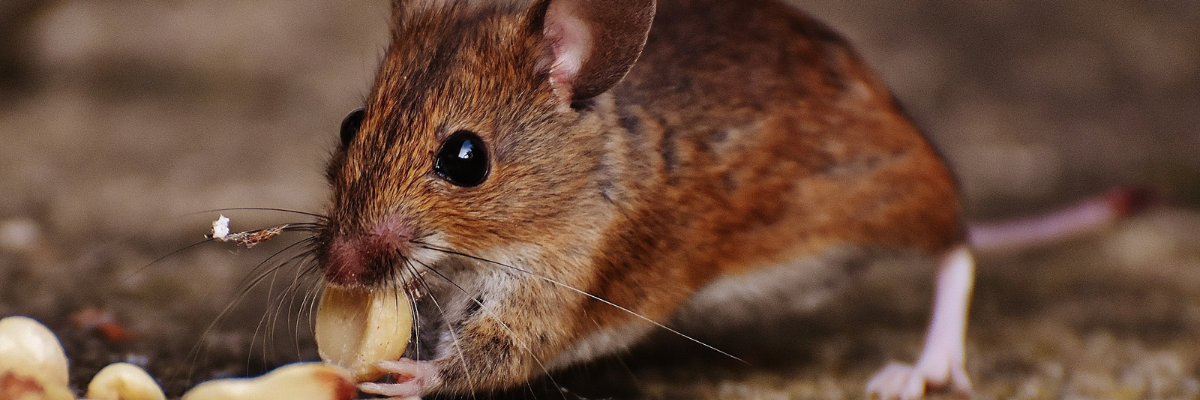
Professional rodent management built around inspection, proofing, trapping, harbourage reduction and improved sanitation—not a one-step response to rats and mice.
Strive International's supplied service material explains that rats and mice enter properties in search of food, shelter and water. Once inside, they can damage insulation, pull apart drywall, leave droppings, create odours and make noise inside walls and attics.
The same material also notes that rodents can pull through wiring and damage property. That is why an effective response should look at access points, harbourage and hygiene conditions as well as the rodents themselves.
The client's service document specifically states that simply trying to remove a rat or mouse infestation can be risky and that rodenticide is frequently insufficient on its own. Strive International describes an integrated approach instead.
Look for signs of rodent activity, likely access points, nesting or harbourage areas and conditions that may be helping rodents remain on site.
Rodent proofing and harbourage reduction are listed by Strive International as important parts of an effective control plan.
Trapping forms part of the integrated approach, with other control methods considered according to the property and level of activity.
Better cleanliness is also identified in the supplied material as an important measure for reducing the conditions that support rodent activity.
The client's own service description emphasises a multi-part approach rather than relying only on one product or one visit.
Proofing, harbourage reduction, trapping, cleanliness and suitable control measures are considered together.
The approach considers how rats or mice may be entering and where conditions are supporting activity.
Reducing access and shelter helps address the factors that can allow rodent activity to continue.
Strive International's broader pest-management service supports residential and commercial facilities.
According to the supplied content, rats and mice can affect walls, insulation, wiring and stored areas, while also leaving droppings and creating noise or odour.
These answers are based on the rodent-control information supplied by Strive International.
Speak to the TeamThe client's material states that rodenticide is frequently insufficient because effective rodent control may also require proofing, harbourage reduction, trapping and improved cleanliness.
The supplied content mentions damaged insulation and drywall, droppings, odours, noise inside walls and attics, pulled wiring and broader property damage.
Within the client's integrated-control approach, proofing means addressing routes or openings that allow rodents to enter or move through a property.
Yes. Strive International describes its integrated pest-management offering as serving both residential and commercial facilities.
Yes. Better cleanliness is specifically listed in the supplied material as part of the integrated approach to rodent management.
Share the property type and where you are seeing droppings, noises, entry points or other rodent activity.